The World Health Organization (WHO) recently released an air quality model to show that more than 9 in 10 people live in areas that have unsafe levels of air pollution.
Check out this interactive map to see if where you live falls within these pollution zones!
With scary statistics like these, it’s clear (no pun intended) that the air most of us breathe is not as pure as it should be.
To make matters worse, with increasing WIFI and wireless technologies,Electromagnetic Field Radiation is also on the rise. Although this form of air pollution is invisible to the naked eye, it can have very real impacts on our health.
And while we can’t control what’s happening to the quality of our air on a global scale, we can take individual measures to make a difference in our personal environments.
So today I’d like to introduce you to a simple, elegant solution to purify the air in your home.
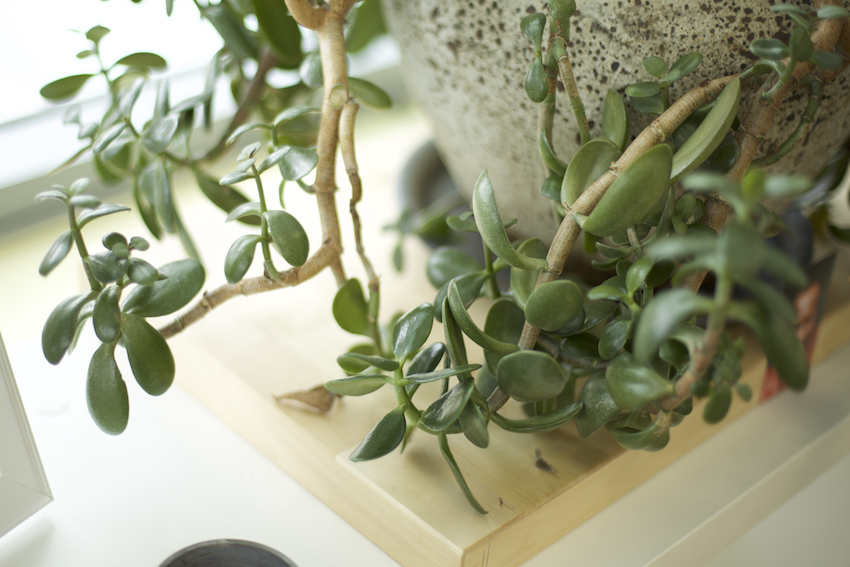
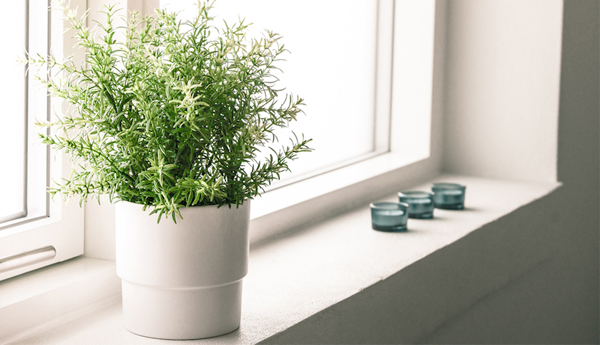
It all starts with a humble houseplant…
Why Does The Air Quality In Your Home Matter?
If the Environmental Protection Agency is to be believed, the air within your home is often 2 to 5 times more polluted than the air outside!
I can almost hear you thinking, ‘But doesn’t air pollution come from cars and traffic? Like, err.. outside?’
Absolutely! But air pollution also comes from more hidden, insidious sources indoors too. Often you can’t even smell it, so air toxicity is not always detectable to the human senses.
The air in our homes can be polluted by toxic gases that are released from common, everyday household items such as cleaning agents, cement, paint and particleboard. The widespread use of home insulation also means that once these gases are released, they are more likely to be trapped within your walls.
This can cause a whole host of unpleasant side effects, such as:
-
Memory and cognitive issues,
-
Tiredness,
-
Respiratory problems,
-
Skin complaints,
-
Irritated eyes,
-
Headaches,
-
Allergic reactions.