The World Health Organization is to launch a review into the potential risks of plastic in drinking water.
It will assess the latest research into the spread and impact of so-called microplastics – particles that are small enough to be ingested.
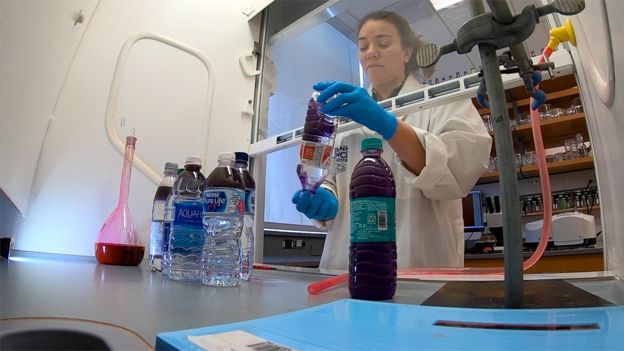
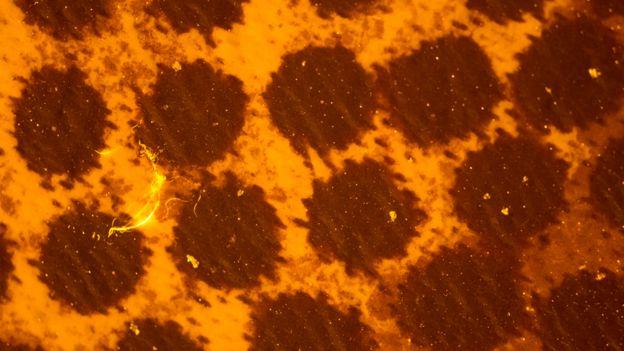
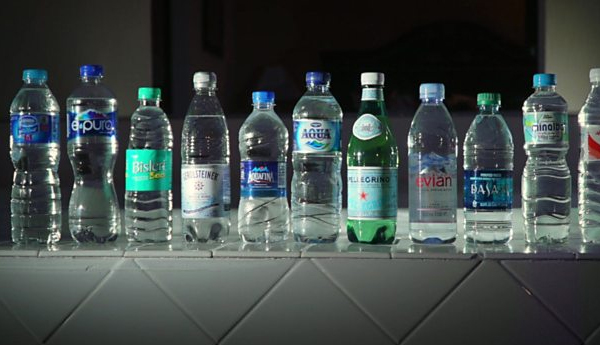
It comes after journalism organisation Orb Media found plastic particles in many major brands of bottled water.
There is no evidence that microplastics can undermine human health but the WHO wants to assess the state of knowledge.
Bruce Gordon, coordinator of the WHO’s global work on water and sanitation, told BBC News that the key question was whether a lifetime of eating or drinking particles of plastic could have an effect.
“When we think about the composition of the plastic, whether there might be toxins in it, to what extent they might carry harmful constituents, what actually the particles might do in the body – there’s just not the research there to tell us.
“We normally have a ‘safe’ limit but to have a safe limit, to define that, we need to understand if these things are dangerous, and if they occur in water at concentrations that are dangerous.”
-
‘Shame and anger’ at plastic pollution
-
Earth is becoming ‘Planet Plastic’
-
Plastic pollution in seven charts