We need to eat plenty of protein foods every single day to keep our metabolism running, our energy up and our blood sugar levels stable. You might be eating enough protein overall, but are you eating the right kinds?
Protein is used in every single cell in our body and is critical for building muscle mass, supporting neurological function, aiding in digestion, helping to balance hormones naturally and keeping our mood upbeat. Protein foods are also beneficial for preventing weight gain since they make us feel full and require more work for the body to digest than fast-acting refined carbohydrates.
Why Protein Foods Are So Important
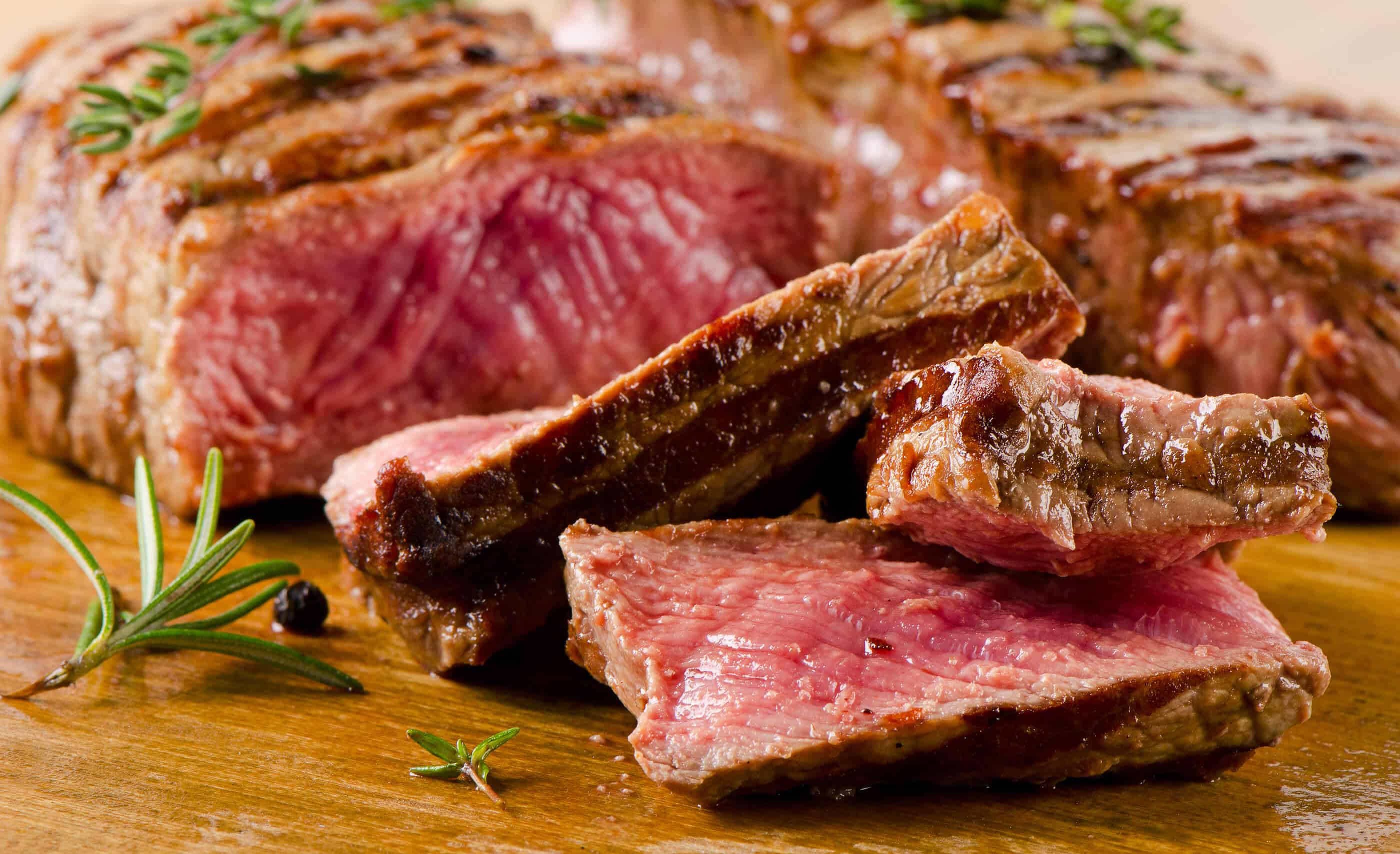 What exactly are proteins? Proteins are considered long chains of amino acids, which are the important molecules we get from our diet. Amino acids can be found in many different types of foods, even vegetables, but the highest sources are those that come from animals – like meat, dairy, eggs and fish – plus to a lesser extent certain plant foods like beans and seeds.
Although amino acids are separate chemical compounds that are stored in a range of different foods, in the body they are held together by peptide bonds. (1) Without enough diverse protein food sources in your diet, you risk becoming deficient in certain amino acids. The result? Low energy, trouble building muscle mass, low concentration and memory, mood swings, unstable blood sugar levels and trouble maintaining or losing weight.
Proteins are used every single day to keep the body going. Because they are used to develop, grow and maintain just about every part of our body – from our skin and hair to our digestive enzymes and immune system antibodies – they are constantly being broken down and must be replaced.
Eating too little protein can result in these symptoms:
-
A sluggish metabolism
-
Trouble losing weight
-
Trouble building muscle mass
-
Low energy levels and fatigue
-
Poor concentration and trouble learning
-
Moodiness and mood swings
-
Muscle, bone and joint pain
-
Blood sugar changes that can lead to diabetes
-
Slow wound healing
-
Low immunity
What Makes Some Protein Foods Better Than Others?
The body can make some amino acids on its own, but the rest it must obtain from protein foods. Of the 20 total amino acids there are, certain ones are considered “essential” because these are the specific kinds we aren’t capable of making ourselves. Others are “nonessential” because the body can create them by synthesizing other amino acids.
The 20 different amino acids are all unique and have certain functions in the body, so it’s important to cover your bases and eat a variety of high-protein foods in order to make sure you aren’t lacking certain kinds. Even when an amino acid isn’t essential, it’s more beneficial to obtain it from food since this requires less work for the body.
In the U.S, and most other developed nations, people rarely become severely protein-deficient (a condition called Kwashiorkor). However, many people eat the same foods each day and don’t vary their diet enough to obtain all essential amino acids regularly. So while eating plenty of protein in general is important, it’s also smart to eat a variety of different protein foods.
People following a low calorie, vegan or vegetarian diet are especially at a higher risk for missing out on important amino acids, since animal foods are considered “complete proteins” (meaning they contain all essential amino acids) but many plant foods are not. It’s possible to combine different plant foods in order to create a combination that has all essential aminos – such as eating rice with beans or vegetables with whole grains, for example – but some health experts believe this is not as optimal as eating foods that are complete protein sources.
What are some top protein food choices that are complete proteins?
High angle shot of a group of brown eggs on a burlap sack. Horizontal format on a rustic wood surface.A longer list is below, but some of my favorites include grass-fed beef, raw organic dairy, cage-free eggs and wild-caught fish. Grass-fed beef contains special immune-boosting conjugated linoleic acid (cancer-fighting CLA) and healthy saturated fats, plus a superior nutritional content than conventionally raised beef. Similarly, bison, venison and lamb are also good choices.
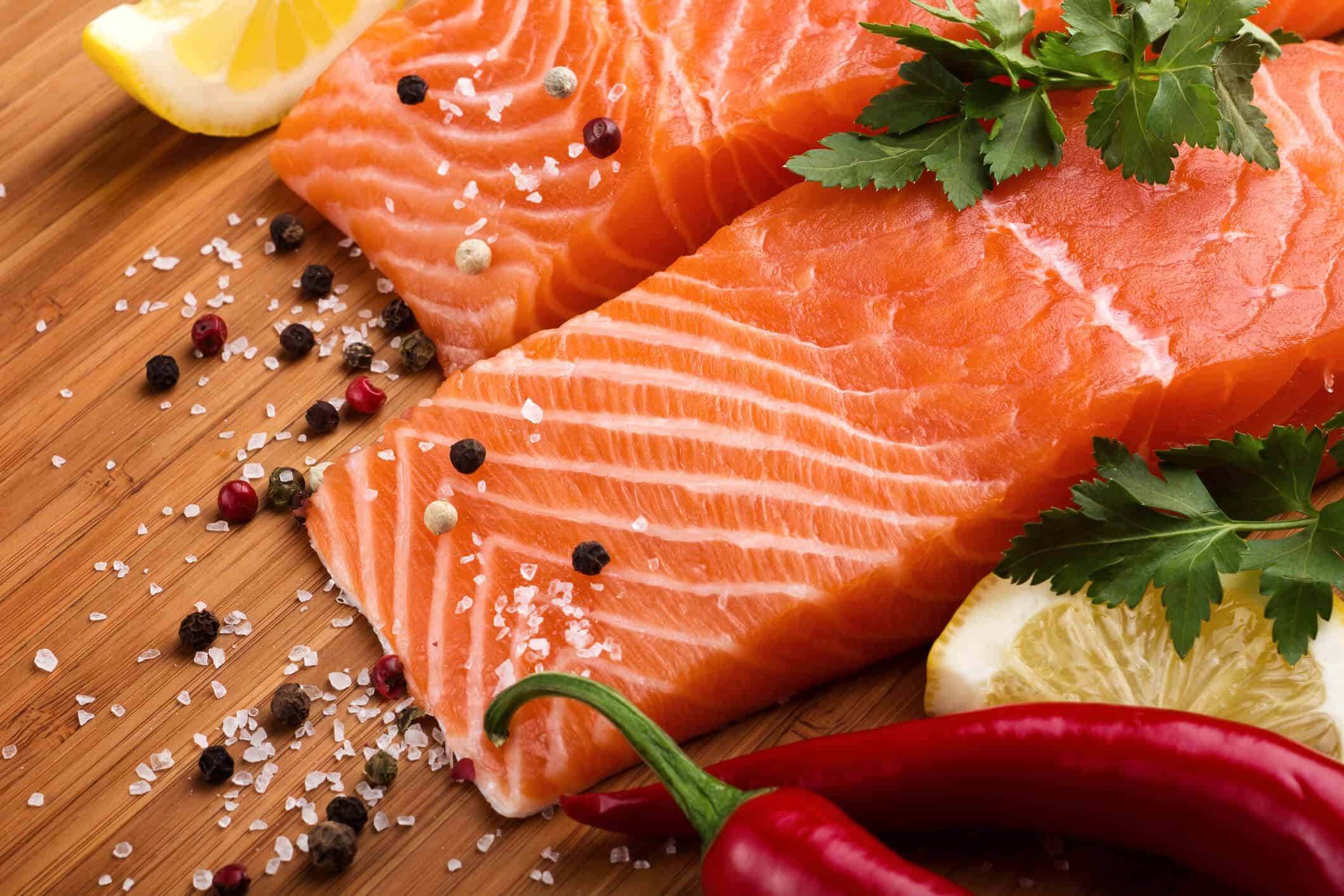
Wild-caught fish is a complete set of amino acids, plus it’s one of the heart-healthyomega-3 foods. And eggs and raw dairy products provide a high level of nutrients in addition to protein, plus they’re versatile and taste great. Raw dairy like yogurt and kefiralso provides gut-friendly probiotics that improve digestion and immunity.
One thing to be conscious about is purchasing high-quality protein foods, especially if they are animal-based. What do I mean by this? Making sure to buy grass-fed meat, organic cage-free eggs or poultry, raw unpasteurized dairy and wild-caught fish is key for obtaining enough protein while also reducing toxins in your diet.
Better quality animal products contain more nutrients over conventionally raised foods since the animals themselves are healthier and fed a more natural, nutrient-dense diet. We also know there are some real dangers of farmed fish and livestock when we eat them in large quantities. High-quality proteins will provide more trace minerals and vitamins, healthy fatty acids, and contain far less pollutants, heavy metals, or potential synthetic hormones and antibiotics.
How Many Protein Foods Should We Eat Everyday?
We all need a different level of protein based on our exact needs. For example, your body weight, gender, age, and level of activity or exercise all determine how much protein is best for you. There are also some health conditions that require people to either eat more or less protein than the average person. And athletes need to eat even more foods for energy and performance, including plenty of quality protein.
That being said, there are some general protein guidelines that can serve as a good recommendation to aim for each day. According to the USDA, the recommended daily intake of protein for adults who are at an average weight and activity level is: (3)
-
56 grams per day for men
-
46 grams per day for women