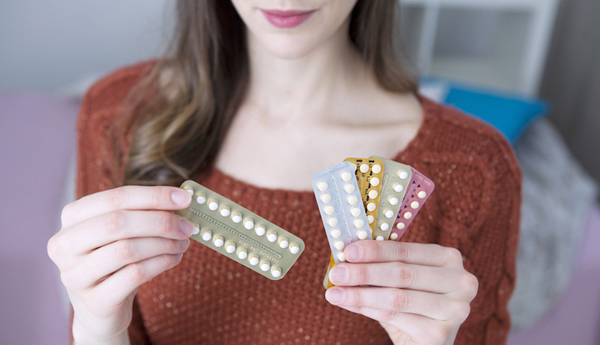
Most of u,s at some point in our life, have felt unmotivated to go to work, don’t want to spend time with our loved ones, and/or struggled to get out of bed to face the day. But if this is your reality on an on-going basis, and each day is a struggle – you could be suffering from depression. While for many this ends up with a doctor’s visit and a prescription for antidepressants, new research shows that for women, it could be the pill causing the problem.
Women Are At Greater Risk Of Depression When Taking The Pill
In a new study, one million Danish women between the ages of 15 and 34 were tracked for a total of 13 years – one of the biggest studies of it kind!
Researchers found that women taking the combined oral contraceptive (estrogen and progestin/ or oestrogen and progesterone for Australia) were 23% more likely to be diagnosed with depression. That’s just over 1 in 5 women on the pill! If you’re taking the progestin-only pill, your odds increase to 1 in 3 with a 34% likelihood of being depressed!
Researchers found that women taking the pill were 23% more likely to be diagnosed with depression.
VIA @FOODMATTERSFILMClick to tweet
Teenagers are even more susceptible, with an 80% increased risk of depression when taking the combined pill, and two-fold that risk with the progestin-only pill.
What About Other Alternatives?
Unfortunately, other hormone-based methods such as the Intrauterine System/coil, patch and the ring increased depression rates even higher than either of the oral contraceptives.
Mood changes are one of the top reasons many women discontinue using the pillwithin the first year! Yet only now are we finally seeing some clarity and evidence to confirm what so many women experience.
What About The Other Risks?
One of the study’s authors, Øjvind Lidegaard, professor of obstetrics and gynaecology, also highlighted the risk of blood clots, especially with newer “improved” contraceptives such as the ring and patch.
Not to mention the most common potential side effects including:
-
Headaches
-
Nausea
-
Weight gain
-
Missed periods or spotting
-
Decreased libido
-
Problems with wearing contact lenses
-
Breast tenderness