The Effects of Smoking on the Body

24×7 Around the Globe
 One of the ingredients in tobacco is a mood-altering drug called nicotine. Nicotine reaches your brain in mere seconds. It’s a central nervous system stimulant, so it makes you feel more energized for a little while. As that effect subsides, you feel tired and crave more. Nicotine is habit forming.
 When you inhale smoke, you’re taking in substances that can damage your lungs. Over time, your lungs lose their ability to filter harmful chemicals. Coughing can’t clear out the toxins sufficiently, so these toxins get trapped in the lungs. Smokers have a higher risk of respiratory infections, colds, and flu.
 Smoking damages your entire cardiovascular system. When nicotine hits your body, it gives your blood sugar a boost. After a short time, you’re left feeling tired and craving more. Nicotine causes blood vessels to tighten, which restricts the flow of blood (peripheral artery disease). Smoking lowers good cholesterol levels and raises blood pressure, which can result in stretching of the arteries and a buildup of bad cholesterol (atherosclerosis). Smoking raises the risk of forming blood clots.
 Some of the more obvious signs of smoking involve the skin. The substances in tobacco smoke actually change the structure of your skin. Smoking causes skin discoloration, wrinkles, and premature aging. Your fingernails and the skin on your fingers may have yellow staining from holding cigarettes. Smokers usually develop yellow or brown stains on their teeth. Hair holds on to the smell of tobacco long after you put your cigarette out. It even clings to nonsmokers.
 Smokers are at great risk of developing oral problems. Tobacco use can cause gum inflammation (gingivitis) or infection (periodontitis). These problems can lead to tooth decay, tooth loss, and bad breath.
 Restricted blood flow can affect a man’s ability to get an erection. Both men and women who smoke may have difficulty achieving orgasm and are at higher risk of infertility. Women who smoke may experience menopause at an earlier age than nonsmoking women. Smoking increases a woman’s risk of cervical cancer.
Fairly strong winds (up to 50-60kmph) can be expected over the island. Several spells of light showers will occur in…

Speaking at an event in Galle District, Nanayakkara said that the government has expanded the people’s right to know information.…
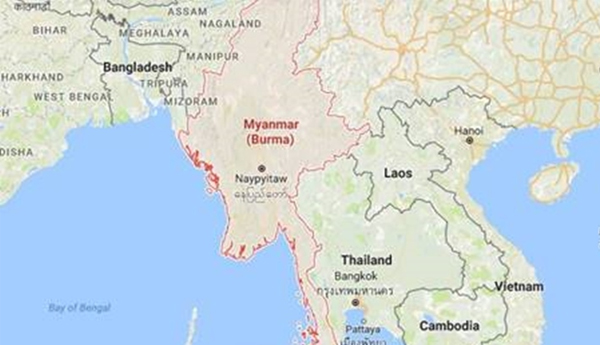
Several earthquakes caused some panic in Myanmar’s largest city early Friday, but no serious injuries or major damage has yet…